
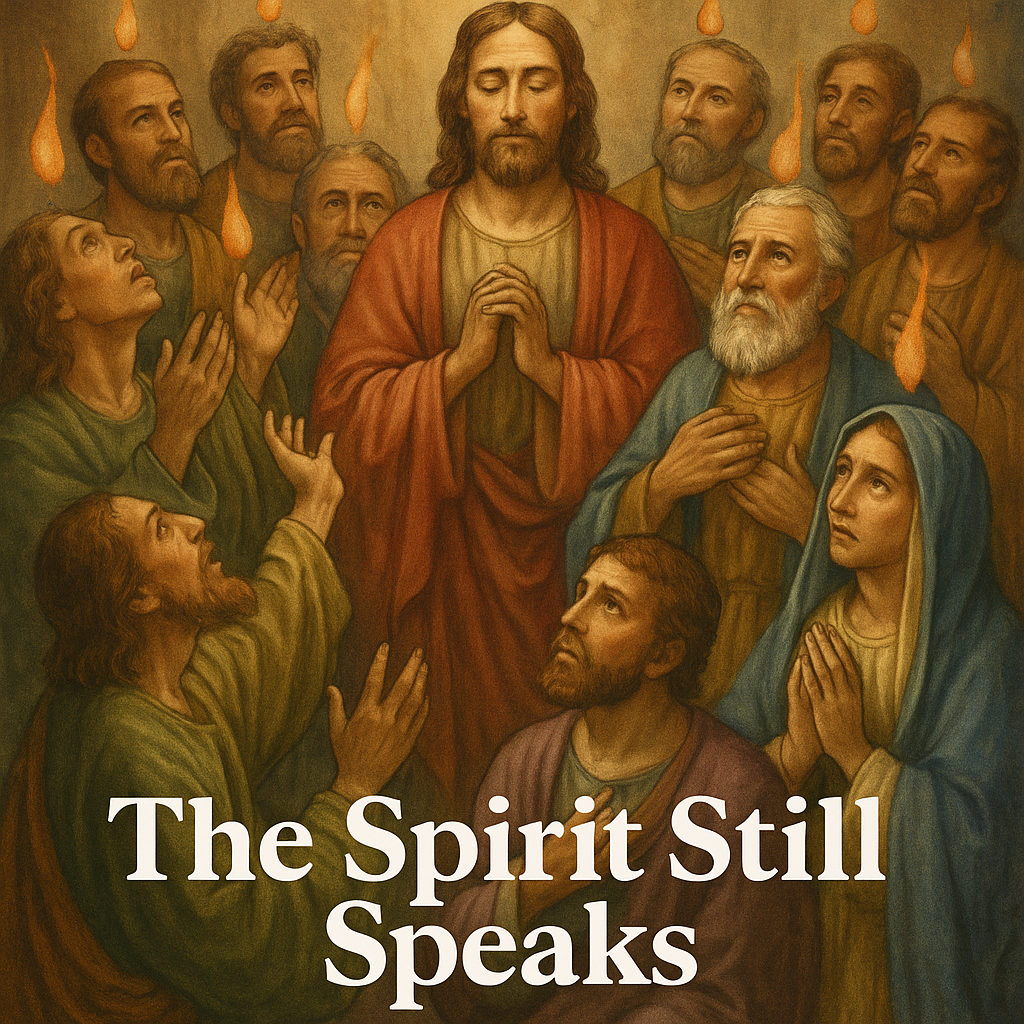
The question of whether the miraculous gifts of the Holy Spirit—such as healing, prophecy, tongues, and miracles—are still active today has divided believers for generations. Some argue that these gifts ceased after the time of the apostles, a view known as cessationism. However, Scripture, history, and current global testimony powerfully affirm that the Spirit still works in and through believers with the same supernatural power seen in the book of Acts.
What Does Scripture Say?
There is no biblical passage that definitively teaches the cessation of spiritual gifts. In fact, Paul exhorted the Corinthian church, saying:
“Do not quench the Spirit; do not despise prophetic utterances. But examine everything carefully; hold fast to that which is good.”
—1 Thessalonians 5:19–21
Paul didn’t say prophecy would cease when the apostles died. In 1 Corinthians 13:8–10, he states:
“Love never fails; but if there are gifts of prophecy, they will be done away…when the perfect comes, the partial will be done away.”
Cessationists argue that “the perfect” refers to the completed New Testament. But a closer reading suggests “the perfect” refers to the full revelation and glory of Christ at His return (cf. 1 Cor. 13:12: “then we shall see face to face”). This implies that the gifts remain until Jesus returns.
Furthermore, Peter, on the day of Pentecost, declared:
“‘In the last days,’ God says, ‘I will pour forth of My Spirit on all mankind…your sons and your daughters shall prophesy…I will grant wonders in the sky above and signs on the earth below.’”
—Acts 2:17–19
If Pentecost marked the beginning of the “last days,” then we are still living in them—and God’s Spirit is still being poured out.
Historical and Global Testimony
Across Church history, there have been accounts of believers operating in spiritual gifts. From the early Church Fathers to reformers like John Wesley and modern revivals, God’s Spirit has continued to work through His people in supernatural ways.
Today, particularly in regions such as Africa, Asia, and South America, missionaries consistently report miraculous healings, deliverance, and conversions similar to those recorded in the book of Acts. Cripples walk, the blind see, the deaf hear, and in rare but documented cases, even the dead have been raised in the name of Jesus.
These are not wild claims without basis—they are testified by biblically faithful missionaries, pastors, and even doctors in some cases. The fruit of these works is repentance, salvation, and glory to Christ—not sensationalism or personal gain.
Jesus said:
“These signs will accompany those who have believed: in My name they will cast out demons, they will speak with new tongues…they will lay hands on the sick, and they will recover.”
—Mark 16:17–18
This promise was not limited to the twelve apostles. It was given to those who believe. That includes every follower of Christ today.
What About Abuse and Error?
Yes, spiritual gifts have been misused. But the presence of abuse does not negate the genuine. False teaching should be addressed biblically and with discernment. Paul had to correct the Corinthian church’s misuse of the gifts, but he never once suggested they should stop operating in them. Instead, he instructed them to seek the gifts in love and order (1 Cor. 14:1, 40).
To say the gifts must cease because of abuse is like saying we should stop preaching because some preach falsely.
Conclusion: Seek the Giver and His Gifts
The Holy Spirit has not stopped working. His power is still present to convict, sanctify, empower, heal, and speak. We are called to test everything by the Word, walk in holiness, and be vessels through whom God can demonstrate His power to a world in need.
Let us not grieve or quench the Spirit but be filled with Him (Eph. 5:18), and eagerly desire the gifts that build up the body of Christ.
Leave a Reply