
Introduction
In our generation, some of the most popular church leaders fill stadiums and sell millions of books—not because they faithfully preach Christ, but because they offer polished motivational speeches. Figures like Joel Osteen, T.D. Jakes, and Joyce Meyer are household names, but their messages often center on self-fulfillment, positive thinking, and personal success rather than repentance, the cross, and eternal life in Christ.
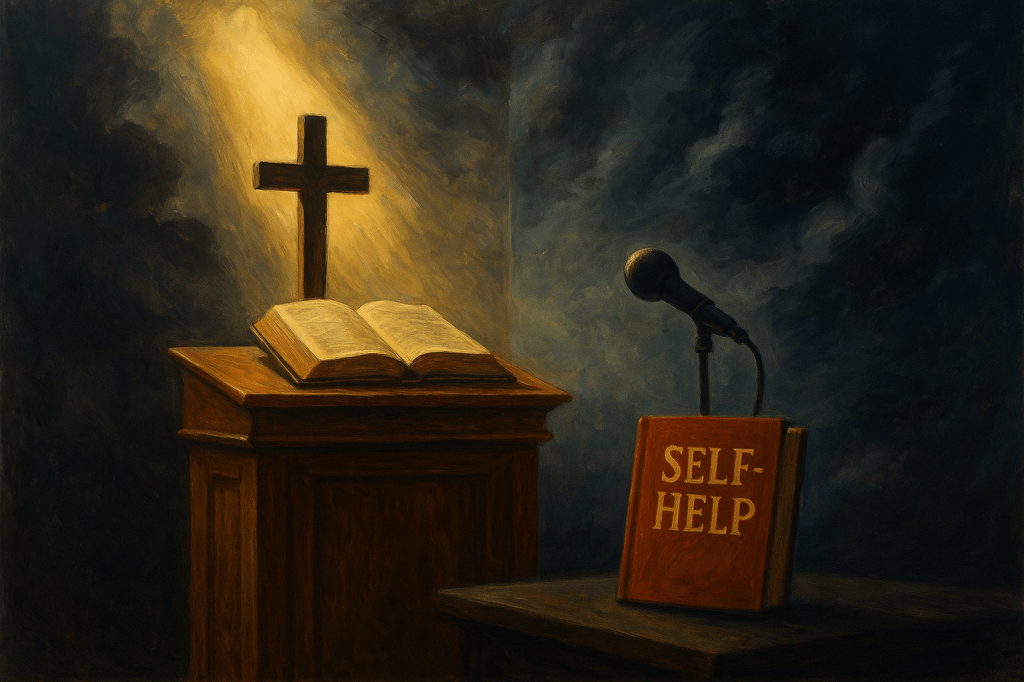
This raises a serious biblical question: Should men and women who replace the gospel with motivational speeches be leading churches? Scripture gives us a clear answer.
The Biblical Role of a Pastor
God’s Word defines the pastor’s role with precision.
Preach the Word: “Preach the word; be ready in season and out of season; reprove, rebuke, and exhort, with complete patience and teaching” (2 Timothy 4:2). Feed the flock: Jesus said, “Feed my sheep” (John 21:17). Pastors are commanded to nourish the people of God with sound doctrine. Guard against wolves: Paul warned the Ephesian elders, “I know that after my departure fierce wolves will come in among you, not sparing the flock” (Acts 20:29).
When leaders avoid the hard truths of sin, repentance, and judgment, they fail their calling as shepherds.
The Danger of Smooth Words
The Bible repeatedly warns against leaders who use flattery, smooth words, or half-truths to deceive.
Romans 16:18 – “By smooth talk and flattery they deceive the hearts of the naive.” 2 Timothy 4:3–4 – “For the time is coming when people will not endure sound teaching, but having itching ears they will accumulate for themselves teachers to suit their own passions.” Jeremiah 6:14 – “They have healed the wound of my people lightly, saying, ‘Peace, peace,’ when there is no peace.”
Joel Osteen is famous for avoiding any mention of hell, judgment, or sin. He admitted on national television that he does not like to talk about sin because it makes people feel bad. Instead, he focuses on “living your best life now.” Yet the gospel calls us not to self-esteem, but to die to self and live in Christ (Luke 9:23).
T.D. Jakes preaches prosperity promises while blurring the line between the Trinity and a “oneness” doctrine. Joyce Meyer teaches self-improvement and frequently twists Scripture into affirmations of success. These are not harmless errors; they are deviations from the true gospel.
Should They Be Leading Churches?
According to the Word of God, the answer is no. A pastor who refuses to preach the gospel is disqualified from leading the church.
Titus 1:9 – “He must hold firm to the trustworthy word as taught, so that he may be able to give instruction in sound doctrine and also to rebuke those who contradict it.” 1 Corinthians 9:16 – “Woe to me if I do not preach the gospel!” James 3:1 – “Not many of you should become teachers, my brothers, for you know that we who teach will be judged with greater strictness.”
Motivational speakers may inspire people for a moment, but they cannot save souls. Only the gospel of Jesus Christ does that. And a man—or woman—who does not preach Christ crucified should not be entrusted with the flock of God.
Why This Matters
When the gospel is replaced with motivational platitudes, the church becomes spiritually malnourished. People are comforted in their sin rather than convicted to repent. They are told God exists to fulfill their dreams rather than that they were created to glorify Him.
Paul told the Corinthians: “For I decided to know nothing among you except Jesus Christ and him crucified” (1 Corinthians 2:2). That is the message the true church must cling to.
If a leader like Joel Osteen or T.D. Jakes or Joyce Meyer refuses to preach the gospel, then by biblical standards, they should not be leading a church. The stakes are eternal. Smooth words may fill auditoriums, but only the pure Word of God saves.
 Feeding the Flock Ministry
Leave a comment