
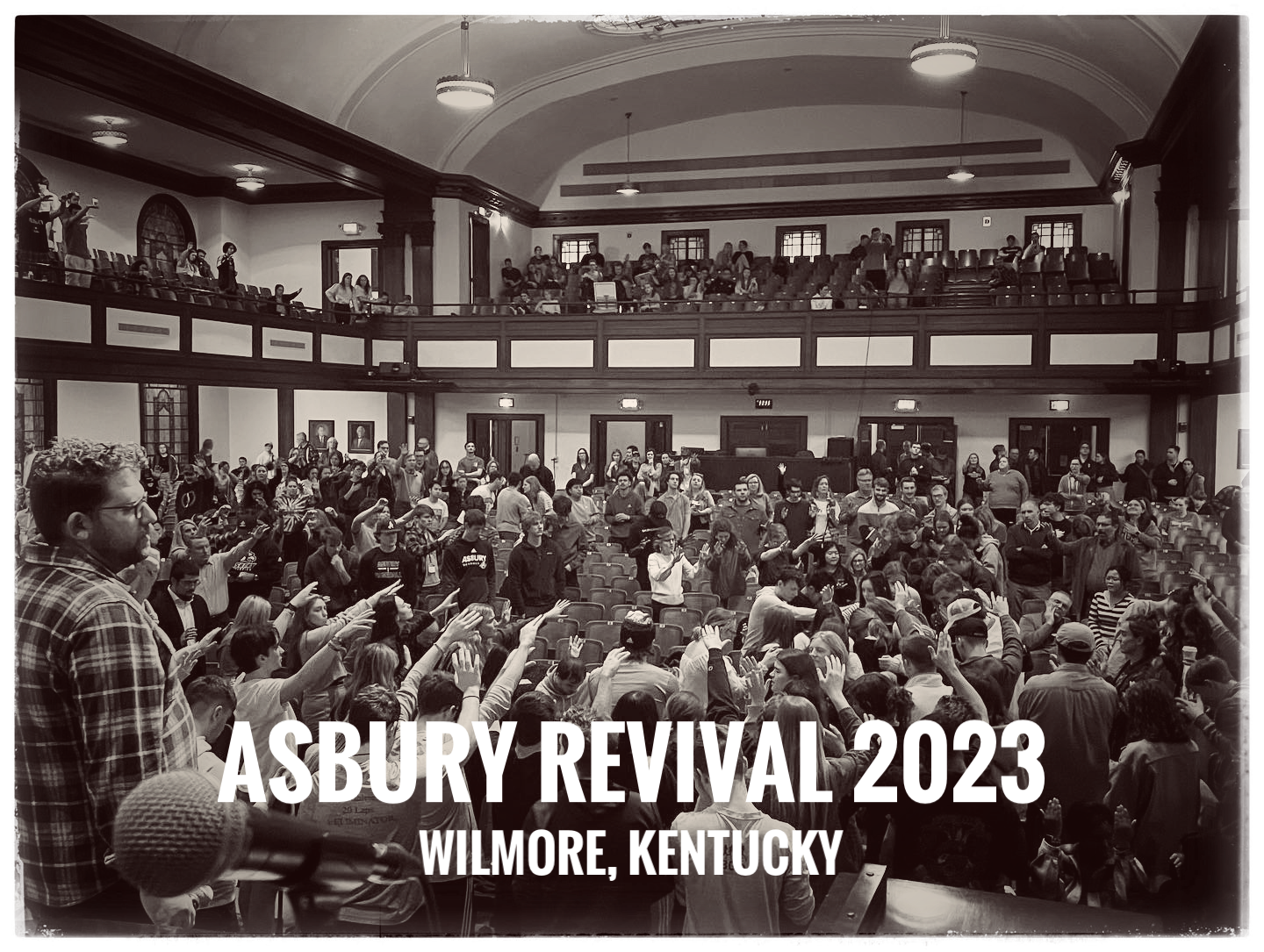
In February 2023, something unexpected began stirring at Asbury University in Wilmore, Kentucky. What began as a routine chapel service soon turned into an extended, spontaneous revival drawing thousands of people from around the world. Attendees testified to the overwhelming presence of the Holy Spirit, repentance, salvations, worship, and healing—echoing stories we hear from revivals across time and culture. Many rejoiced in this visible work of God. But others—especially online—voiced skepticism and even condemnation.
Judging Revival or Discerning the Spirit?
Critics raised concerns about the theology of those involved, the presence of women leading in prayer or worship, or the open doors to all—including people still struggling with sin. Some denounced the revival altogether, labeling it deception or “strange fire.” While Scripture does call us to discern (1 John 4:1), it also warns us of the grave danger in misjudging a true move of the Holy Spirit.
To illustrate the risk of such judgment, consider Acts 10. Peter, a Jewish apostle, was given a vision that shattered his assumptions about what God deems clean. He saw a sheet filled with animals deemed unclean under Mosaic law, and heard God say, “Do not call anything impure that God has made clean” (Acts 10:15). That vision prepared Peter to bring the gospel to Cornelius, a Gentile centurion. When Peter preached, “the Holy Spirit came on all who heard the message” (Acts 10:44), and they spoke in tongues and praised God—before they were even baptized in water.
Peter did not resist or label this as emotionalism, heresy, or disorder. He recognized the fingerprints of God—even when it broke his expectations. He later defended this experience to fellow believers by saying, “If God gave them the same gift he gave us…who was I to think that I could stand in God’s way?” (Acts 11:17).
The Sin of Mislabeling God’s Work
Jesus issued a sobering warning when religious leaders accused Him of casting out demons by the power of Satan: “Blasphemy against the Spirit will not be forgiven” (Matthew 12:31). This sin wasn’t mere disbelief—it was a deliberate slander of the Holy Spirit’s work, calling God’s power evil. Today, when believers hastily label genuine revival, deliverance, or gifts of the Spirit as demonic, they tread dangerously close to the same sin.
Yes, there are false teachers and counterfeit signs (2 Thess. 2:9, 1 John 4:1). But the solution is not blanket rejection of all spiritual experience—it’s humble, prayerful discernment. The fruit of the Spirit is a clearer indicator than the format of the service or the reputation of the preacher (Matthew 7:16).
On Division and Modern Pharisees
Paul rebuked early believers for quarreling and factions (1 Cor. 1:10–13). Yet today, many pastors and influencers build followings by attacking other ministries. Some call revival “false fire” simply because it doesn’t fit their denomination’s mold. Others reject it because of who is present—forgetting that Jesus welcomed tax collectors, prostitutes, and sinners who later repented and followed Him.
James 4:12 reminds us: “There is only one Lawgiver and Judge, the one who is able to save and destroy. But you—who are you to judge your neighbor?” When we set ourselves up as spiritual gatekeepers, declaring who can and cannot receive God’s Spirit, we risk opposing Him.
The Spirit Still Speaks—and Moves
Revival isn’t always clean, polished, or theologically perfect. But if lives are turning to Christ, sin is being repented of, and Jesus is being glorified, we must be slow to speak and quick to listen (James 1:19). Test everything—but do not quench the Spirit (1 Thess. 5:19–21).
The Asbury revival may not fit everyone’s expectations, but we are not called to be critics of every awakening. We are called to recognize the voice of our Shepherd, to test the fruit, and to rejoice when sinners repent and saints are renewed.
Final Word
If your pastor or favorite teacher mocks every move of the Spirit or calls anything unfamiliar “demonic,” consider whether their tone aligns with Christ or the Pharisees. Let us be a people of discernment—but also of humility, ready to celebrate when God moves in ways we didn’t expect. As Peter learned, “God does not show favoritism but accepts from every nation the one who fears Him and does what is right” (Acts 10:34–35).
May we never call unclean what God has made clean.
Leave a Reply