
One of the pressing questions in the modern church is whether it is wise to use titles such as apostle, prophet, evangelist, pastor, or teacher. These roles are clearly mentioned in Scripture (Ephesians 4:11), yet in practice the use of these titles has often been surrounded by confusion, pride, or even abuse of authority. Should believers today embrace such titles, or is this a sign we should be cautious?
The answer lies not in throwing away biblical language, but in carefully considering how Scripture frames these roles and how they are practiced in the life of the church.
1. What Is an Apostle?
The Greek word apostolos simply means “one who is sent, a messenger, an envoy.” In the New Testament, this word is used in two senses:
• The Twelve Apostles (plus Paul): Chosen directly by Christ, eyewitnesses of His resurrection, and foundational to the church (Luke 6:12–16; Acts 1:21–22; Ephesians 2:20).
• Broader Sense: At times, the word is applied to others such as Barnabas (Acts 14:14) and Andronicus and Junia (Romans 16:7). These were not foundational apostles, but missionaries sent with authority to establish churches.
Paul himself balances this identity carefully:
• “Paul, a servant of Christ Jesus, called to be an apostle, set apart for the gospel of God” (Romans 1:1).
• He was indeed an apostle by Christ’s appointment, but never without first acknowledging his identity as a servant.
2. The Fivefold Roles of Leadership (Ephesians 4:11–13)
Paul teaches that Christ gave five types of leadership roles to His church:
• Apostles – pioneers who establish foundations and extend the mission outward.
• Prophets – truth speakers who call the church to holiness and discernment.
• Evangelists – heralds of the good news who stir the church to reach the lost.
• Pastors (shepherds) – those who care for and guide the flock.
• Teachers – instructors who ground believers in truth.
But note the purpose: “to equip the saints for the work of ministry, for building up the body of Christ” (Ephesians 4:12). These roles were never about status, but about service.
3. Titles and Warnings in Scripture
Jesus Himself warned about pride in titles:
• “They love the place of honor at feasts and the best seats in the synagogues and greetings in the marketplaces and being called rabbi by others. But you are not to be called rabbi, for you have one Teacher, and you are all brothers.” (Matthew 23:6–8).
Christ was not denying leadership, but cautioning against spiritual elitism. Every leader in His kingdom is first and foremost a servant:
“Whoever wants to become great among you must be your servant, and whoever wants to be first must be your slave—just as the Son of Man did not come to be served, but to serve, and to give his life as a ransom for many.” (Matthew 20:26–28).
The apostles modeled this balance. Peter introduced himself in his second letter as “Simon Peter, a servant and apostle of Jesus Christ” (2 Peter 1:1). James, the brother of Jesus, simply wrote, “James, a servant of God and of the Lord Jesus Christ” (James 1:1). John, rather than exalting himself as “the apostle,” often called himself “the elder” (2 John 1:1; 3 John 1:1).
4. Today’s Church Culture: The Dangers of Titles
In the modern church worldwide, titles like Apostle or Prophet can be used in ways that draw attention to the person rather than to Christ. Sadly, many have seen:
• Personality cults – where people follow a leader more than Jesus.
• Abuse of authority – leaders who silence criticism by claiming special “apostolic” or “prophetic” status.
• Prosperity gospel manipulation – where titles are used to legitimize false teaching, wealth, or domination over others.
For example:
• Some self-proclaimed “apostles” in parts of Africa and South America insist on unquestioned obedience, even demanding money to guarantee blessings.
• In the West, movements have sometimes elevated “prophets” who make predictions about politics or the future—often proven false—leading many astray.
These are not new problems. Paul warned in 2 Corinthians 11:13–15 about “false apostles, deceitful workers, disguising themselves as apostles of Christ.” The danger is real: titles can foster pride and mislead God’s people when detached from humility and accountability.
5. Discernment Principles
How then should the church respond? Here are biblical tests:
• Do they exalt Christ, not themselves? “For what we proclaim is not ourselves, but Jesus Christ as Lord, with ourselves as your servants for Jesus’ sake.” (2 Corinthians 4:5).
• Do they live as servants? “It is required of stewards that they be found faithful.” (1 Corinthians 4:2).
• Are they accountable? Even apostles submitted to one another. Paul went up to Jerusalem to present his gospel to the other apostles (Galatians 2:1–2).
• Do their lives bear fruit consistent with Christ’s teaching? “By their fruits you will recognize them.” (Matthew 7:15–20).
If a leader’s “apostleship” or “prophethood” produces arrogance, control, or false teaching, that is a warning sign to watch out for.
6. Healthy Practice Today
Should we avoid titles altogether? Not necessarily. But here are guiding principles:
• Use functional descriptions, not honorifics. Saying someone “serves in an apostolic role” (e.g., as a missionary church planter) is different than demanding to be addressed as “The Apostle So-and-So.”
• Keep servant identity first. Paul and Peter were apostles, but they called themselves servants before anything else.
• Let the fruit speak louder than the title. A true servant of The Lord doesn’t need a name tag.
7. The Greater Lesson: Christ Is Head of the Church
At the end of the day, the New Testament consistently points us to this truth:
• “And He is the head of the body, the church.” (Colossians 1:18).
• Leaders are gifts to the church, not lords over it (1 Peter 5:2–3).
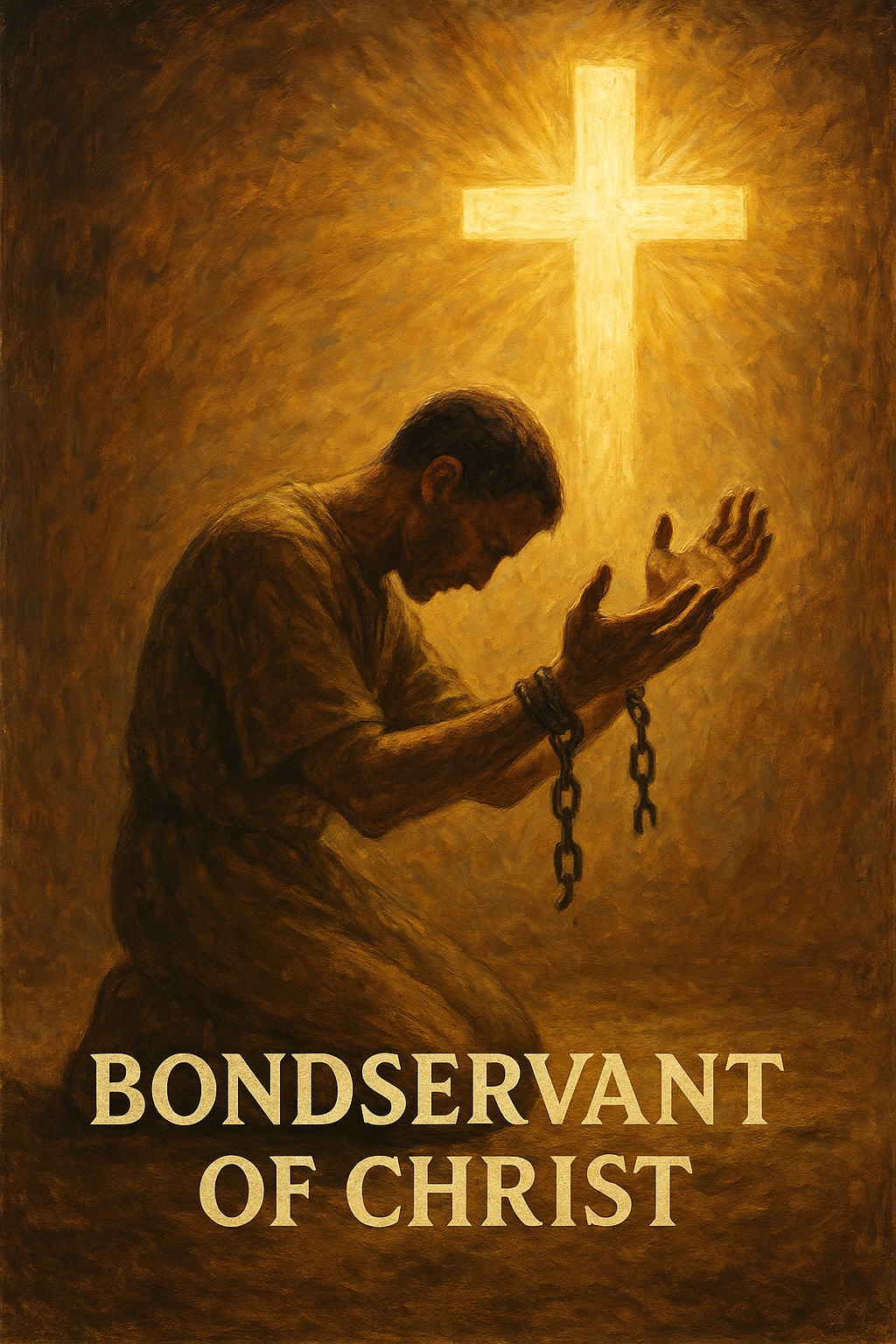
• The greatest title in the kingdom is simply this: “Servant of Christ.”
Conclusion
Titles in themselves are not evil; they can describe genuine functions in the body of Christ. But in today’s church culture, titles are often misused to create hierarchy, pride, or control. The wise believer should not be impressed by titles but should test leaders by their humility, fruit, and faithfulness to Scripture.
The true mark of an apostle, prophet, pastor, or teacher is not the title before their name but the cross they are willing to carry. As Paul wrote:
“Let a man so account of us, as of the ministers of Christ, and stewards of the mysteries of God.” (1 Corinthians 4:1).
And if we must cling to any title, let it be this: “Bondservants of Christ” (Philippians 1:1).
Leave a Reply