
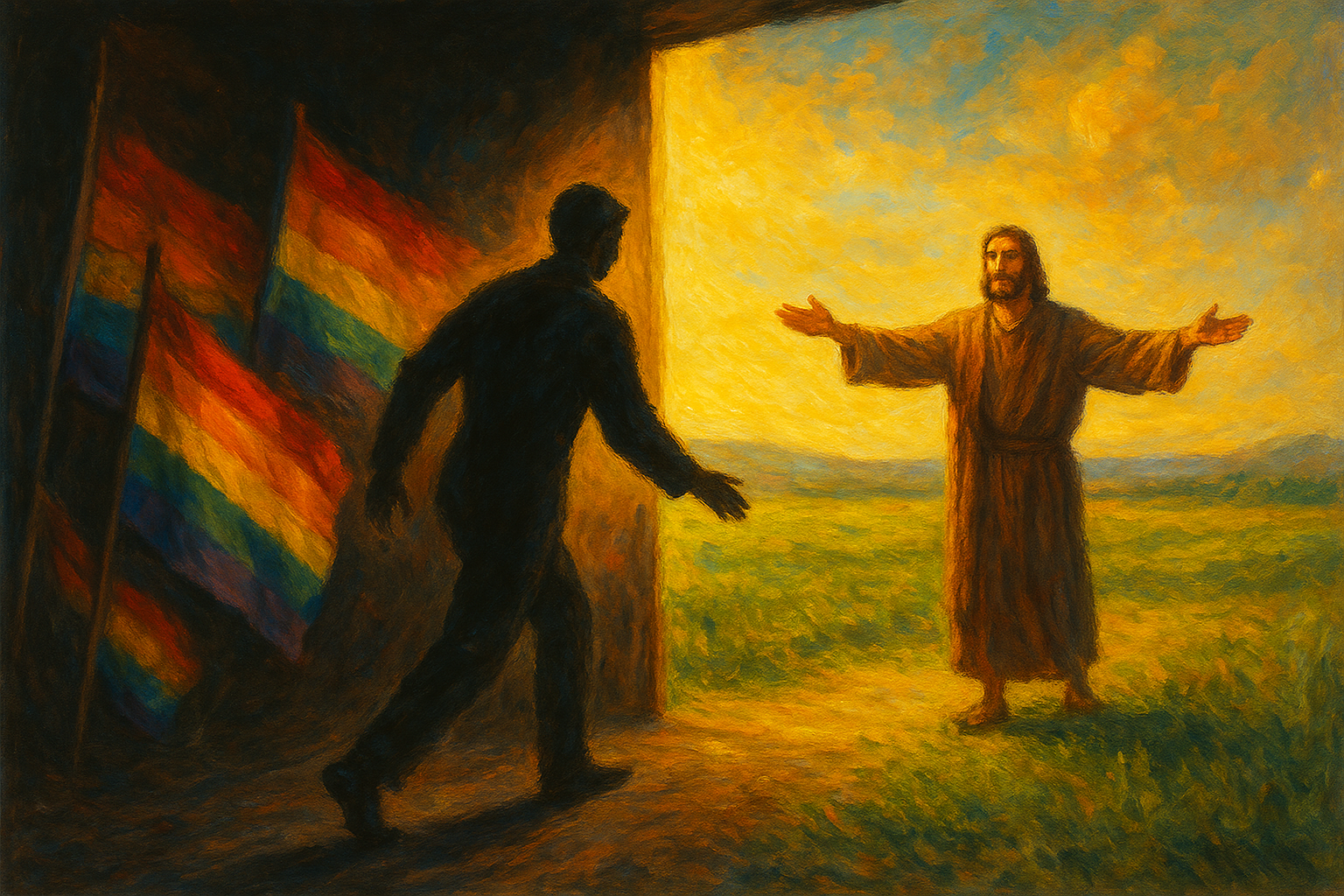
Introduction
In our world today, discussions around sexuality are often charged with emotion, political ideology, and cultural pressure. Yet, for Christians, the ultimate authority must be the Word of God. Scripture does not avoid the topic of homosexuality, but addresses it directly in both the Old and New Testaments. This post will explore the biblical passages that speak on the subject, what they mean, and why the gospel offers hope to all sinners.
What the Bible Says About Homosexuality
Throughout Scripture, God’s Word is consistent in its teaching that sexual intimacy was designed for a covenant marriage between one man and one woman (Genesis 2:24, Matthew 19:4–6). Homosexuality, along with all other forms of sexual immorality, falls outside God’s design and is therefore called sin. Here’s what the Bible records:
Genesis 19:4–13 — The men of Sodom demanded sexual relations with Lot’s male guests. This incident is part of the city’s grievous sin, which led to God’s judgment. The Hebrew word yada (“to know”) is used here to mean sexual intercourse. Leviticus 18:22 & 20:13 — God clearly forbids a man from lying with another man “as with a woman.” The Hebrew mishkav ishah describes male-male sexual activity and labels it an abomination under the Old Covenant law. Romans 1:26–27 — Paul describes same-sex relationships among both men and women as “against nature” (para physin) and dishonoring to God, showing this as a result of humanity rejecting the Creator. 1 Corinthians 6:9–11 — Paul lists those who will not inherit God’s kingdom, including malakoi (passive partners) and arsenokoitai (male bed, active partners). Yet he follows with hope: “Such were some of you. But you were washed…” 1 Timothy 1:9–11 — Using the same term arsenokoitai, Paul again condemns homosexual practice as contrary to sound doctrine. Jude 1:7 — Referring to Sodom and Gomorrah, Jude notes they pursued “strange flesh” (sarkos heteras) and were judged for their immorality.
Why This Matters
The biblical position on homosexuality is not about singling out one group of people or one type of sin. Scripture says “all have sinned and fall short of the glory of God” (Romans 3:23). Sexual sin, lying, greed, idolatry, drunkenness — all separate us from God. However, homosexuality is addressed specifically in the Bible because it distorts God’s creation design for human relationships and mirrors deeper issues of rebellion against His authority.
At the same time, the Bible warns that one sin is final and unforgivable — specifically, blasphemy against the Holy Spirit (Matthew 12:31–32, Mark 3:28–29). This is not the same as homosexuality, theft, adultery, or murder. Jesus explains that blaspheming the Holy Spirit (attributing the works of the Holy Spirit to Satan) results in eternal judgment with no possibility of forgiveness.
Grace and Transformation
Here is the good news: apart from blasphemy of the Holy Spirit, all sin can be forgiven through repentance and faith in Jesus Christ. Paul’s words in 1 Corinthians 6:11 are deeply hopeful: “Such were some of you. But you were washed, you were sanctified, you were justified in the name of the Lord Jesus Christ and by the Spirit of our God.”
This means:
God’s forgiveness is available to all who will turn to Him in faith. Homosexuality, like all other sexual sins, can be repented of. God’s Spirit transforms lives — making former ways of living truly “former.”
The gospel does not affirm sinful behavior but redeems sinners. God calls people out of sin, not into it. That call is motivated by His love, not by human judgment.
A Final Word
We live in a time when God’s design for sexuality is widely rejected, even in some church circles. Christians must be both clear and compassionate. The truth is not ours to edit; it is God’s Word. And the truth is this: homosexuality is sin, but it is not beyond the reach of God’s grace.
God’s heart is to forgive, restore, and give eternal life to all who will come to Him in humility. The way is narrow, but it leads to life (Matthew 7:13–14). And that life is worth everything.
Leave a Reply