
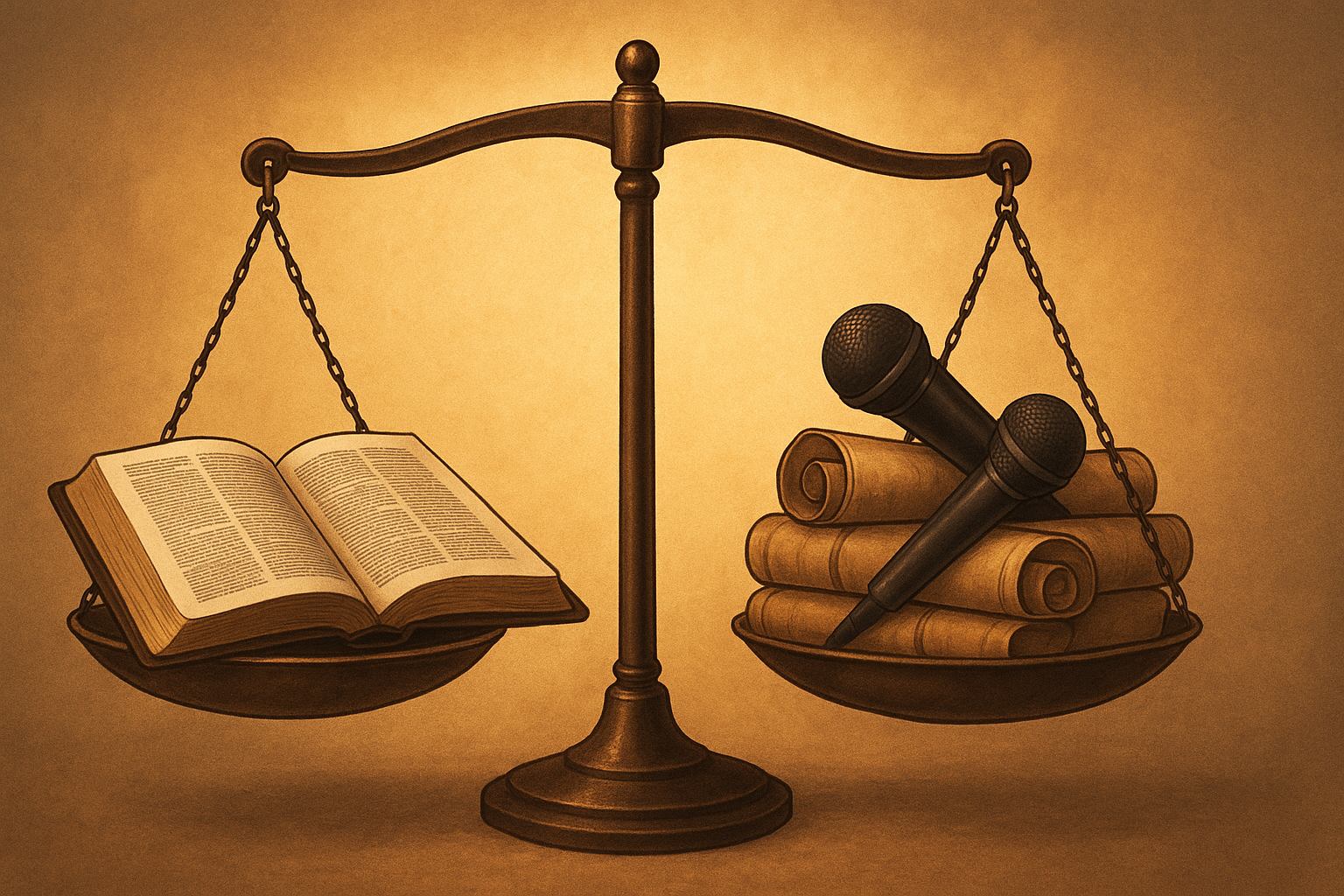
Introduction: A Flood of Voices
We live in a time when prophetic voices are everywhere. Some proclaim visions of coming disasters, others predict political outcomes, and many call believers to prepare for end-time events. Social media, livestreams, and global ministries amplify these messages, leaving many Christians wondering: “Who is truly speaking from God?”
This question is not new. From the days of Israel’s prophets to the early church, God’s people have always had to discern between true and false voices. Scripture warns us that false prophets will arise (Matthew 24:11), and that Satan himself masquerades as an angel of light (2 Corinthians 11:14). Yet God also promises that His Spirit continues to guide His people into truth (John 16:13).
So how do we tell the difference?
The Biblical Standard for Prophecy
The Bible gives us clear tests:
Deuteronomy 18:22 – If a prophet speaks in the Lord’s name and it does not come to pass, the Lord has not spoken. Deuteronomy 13:1–3 – Even if signs and wonders occur, if the prophet leads people away from obedience to God, they are false. 1 Thessalonians 5:20–21 – Do not despise prophecies, but test everything; hold fast what is good. 1 Corinthians 14:3 – True prophecy builds up, encourages, and comforts.
God does not leave us in confusion—He calls us to measure every voice by His Word and Spirit.
A Checklist for Discerning Prophetic Voices
Here are seven biblical tests we can apply whenever we encounter a prophetic message:
1. Christ-Centered?
Does the message exalt Jesus Christ and draw people to Him, or does it glorify the prophet?
(John 16:14, Revelation 19:10)
2. Biblically Grounded?
Does the message align with God’s Word, or does it add secret revelations that contradict Scripture?
(2 Timothy 3:16–17, Galatians 1:8)
3. Tone: Edifying or Fear-Mongering?
Does it strengthen, encourage, and call to holiness—or does it thrive on fear and panic?
(1 Corinthians 14:3, 2 Timothy 1:7)
4. Accuracy & Accountability?
When specific predictions are made, do they come true? Does the prophet admit mistakes or make excuses?
(Deuteronomy 18:22, 1 Thessalonians 5:21)
5. Fruit of the Spirit in Their Life?
Do they display humility, integrity, and holiness—or pride, greed, and manipulation?
(Matthew 7:15–20, Galatians 5:22–23)
6. Purpose of the Word?
Does it call believers to repentance and holiness, or is it sensational and political?
7. Witness of the Holy Spirit in You
Does the message bring peace and conviction—or confusion and dependence on the prophet?
(Colossians 3:15, 1 John 2:27)
Why This Matters for Us Today
The enemy would love nothing more than to distract Christians with endless predictions and fearful visions. When we chase after every “new word,” we risk neglecting the sure Word of God we already have in Scripture (2 Peter 1:19).
True prophecy does not compete with God’s Word—it confirms it. It does not enslave God’s people to fear but leads them to freedom in Christ. And it does not exalt human personalities but magnifies the Lord Jesus.
Exhortation For Todays Church
Beloved, let us be sober and discerning. Do not be swept away by every voice claiming divine authority. Test the spirits. Hold fast to what is good. Anchor yourself in the Scriptures, and keep your eyes on Jesus, the Author and Finisher of your faith (Hebrews 12:2).
If a prophetic word truly comes from God, it will align with His character, His Word, and the testimony of His Spirit. And if it does not, we must have the courage to set it aside—no matter how persuasive or popular the messenger.
The safest ground for the church is not in chasing the latest prophecy but in daily obedience to Christ.
Leave a Reply