
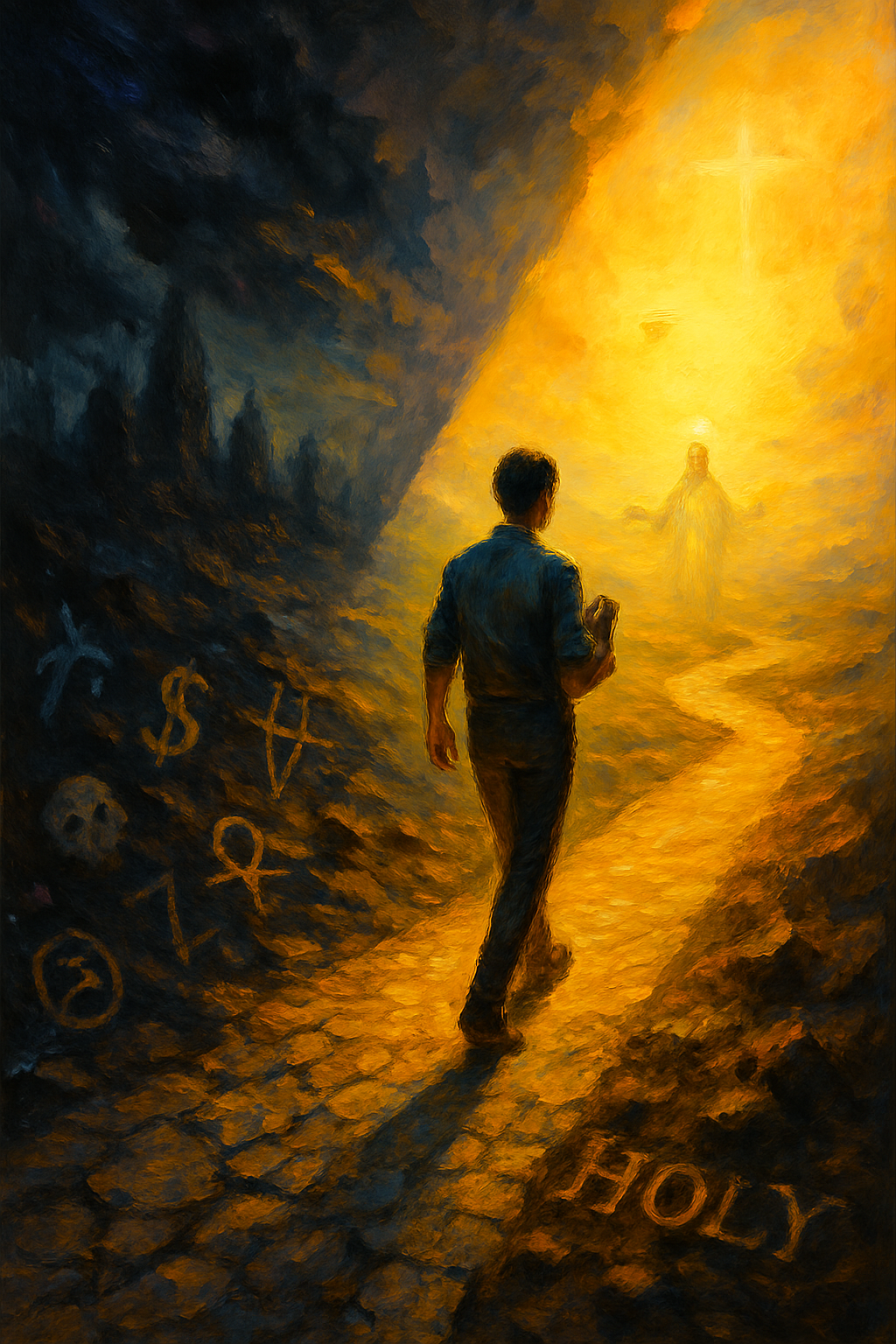
“Consecrate yourselves therefore, and be holy, for I am the Lord your God.”
— Leviticus 20:7
From Genesis to Revelation, the Bible presents a recurring theme: God calls His people to be distinct. The Hebrew word for holy (qadosh) literally means “set apart,” and it reveals God’s desire for His people to reflect His character rather than conform to the world.
Old Testament Foundations: Israel’s Call to Be Separate
God chose Israel not because of their greatness, but to demonstrate His holiness through them (Deuteronomy 7:6–8). They were not to adopt the customs, idols, or immoral practices of surrounding nations (Leviticus 18:3, Deuteronomy 18:9–14). Instead, their lives—how they worshiped, ate, dressed, and governed—were all meant to reveal a set-apart identity.
“You shall be holy to Me, for I the Lord am holy and have separated you from the peoples, that you should be Mine.”
— Leviticus 20:26
God’s people were to be a light to the nations (Isaiah 42:6), not mirrors of them.
New Testament Fulfillment: Holiness in Christ
In the New Testament, this call to be set apart continues—but it now centers around Jesus Christ. Holiness is no longer about ceremonial laws or physical rituals but about spiritual transformation.
“Do not be conformed to this world, but be transformed by the renewal of your mind…”
— Romans 12:2
“But you are a chosen generation, a royal priesthood, a holy nation, His own special people, that you may proclaim the praises of Him…”
— 1 Peter 2:9
Being set apart means living in contrast to the sinful culture around us. It involves obedience, purity, and sacrificial love. Christians are called to “come out from among them” (2 Corinthians 6:17), to “put off the old self” (Ephesians 4:22), and to “walk as children of light” (Ephesians 5:8).
Set Apart from What?
Being set apart doesn’t mean isolation from people—it means separation from sin and the world’s value system. This includes:
Worldly ideologies (James 4:4, Colossians 2:8) Sexual immorality (1 Thessalonians 4:3–5) Materialism and greed (Luke 12:15, 1 Timothy 6:10) False teachings (2 Peter 2:1–3, 2 Timothy 4:3–4) Cultural compromise that leads to spiritual apathy (Revelation 3:15–17)
Why It Matters Today
Modern Christianity often blurs the lines between the sacred and the profane. Many churches compromise to attract crowds, softening the call to holiness. But true revival doesn’t come through conformity—it comes through consecration.
Jesus didn’t save us so we could blend in. He saved us to shine as lights in a dark world (Matthew 5:14–16), to be His ambassadors (2 Corinthians 5:20), and to reflect His holiness (1 Peter 1:15–16).
How Do We Live Set Apart Today?
Stay rooted in the Word (Psalm 119:9, John 17:17) Flee compromise (2 Timothy 2:22) Walk in the Spirit (Galatians 5:16–25) Reject cultural idols—success, comfort, fame (1 John 2:15–17) Fear God, not man (Proverbs 29:25, Matthew 10:28) Live with eternity in view (Titus 2:11–14)
Conclusion: A Holy People in an Unholy Age
God still calls His people to be holy. In an age of moral confusion and spiritual deception, Christians must be clear: we are not our own. We were bought with a price (1 Corinthians 6:19–20) and called to walk in righteousness, even when it costs us something.
Holiness is not legalism—it’s love in action. It is our joyful response to the grace of God and our devotion to the Savior who set us apart for His glory.
“Now to Him who is able to keep you from stumbling… to God our Savior… be glory and majesty, dominion and power, both now and forever. Amen.”
— Jude 1:24–25
Leave a Reply