
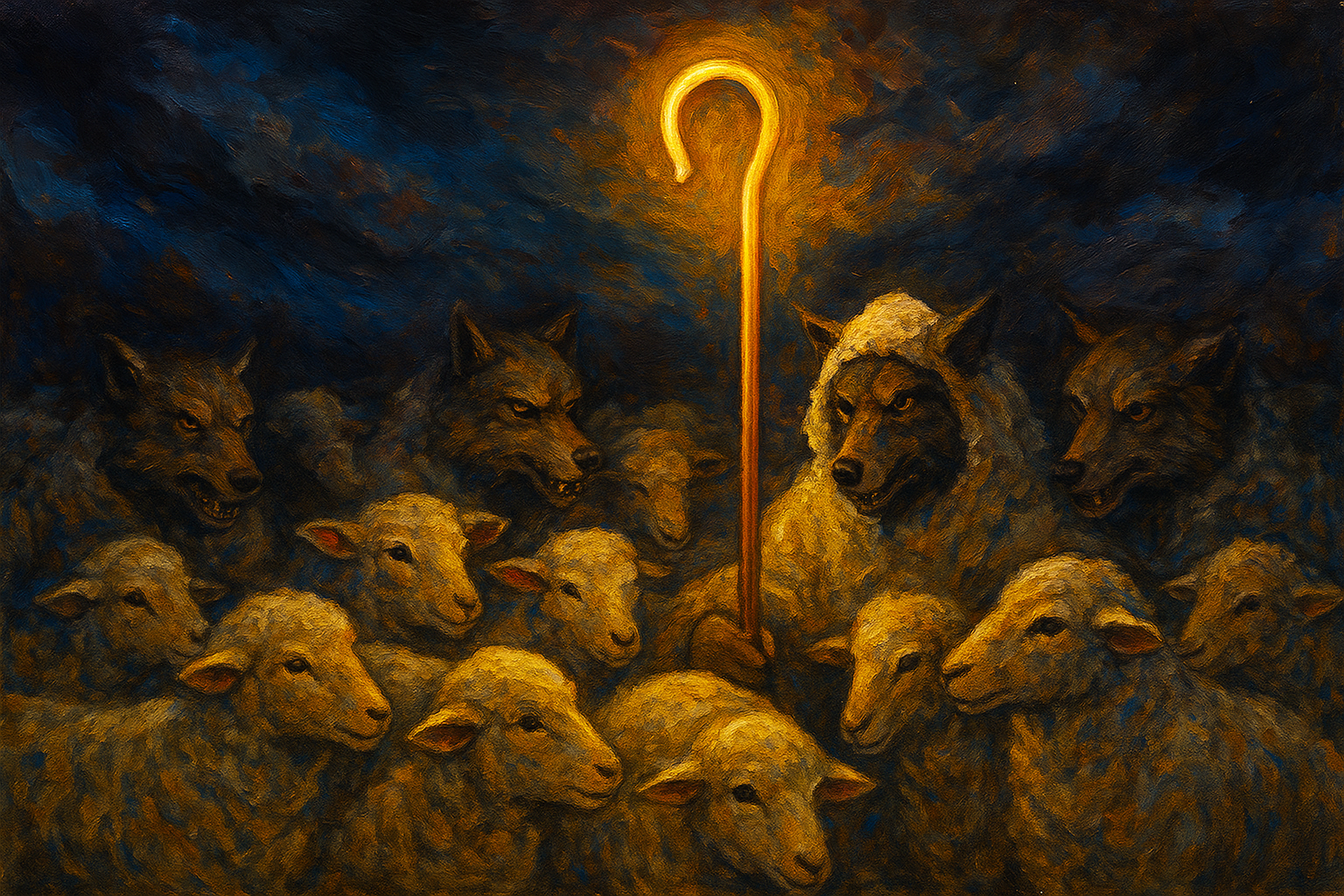
The Apostle John warns: “Beloved, do not believe every spirit, but test the spirits to see whether they are from God, for many false prophets have gone out into the world” (1 John 4:1). In every generation, the Church faces voices that claim authority but distort the Word of God. Testing the spirits is not optional—it is essential for every believer who wants to walk faithfully with Christ.
Why Discernment is Urgent
Satan rarely deceives with outright lies. Instead, he twists God’s words just enough to sound right. He did it in Eden (“Did God actually say…?” Genesis 3:1), he tried it with Jesus (“It is written…” Matthew 4:6), and Paul warns that Satan still disguises himself as an angel of light (2 Corinthians 11:14).
Today, many popular preachers—followed by millions—mix truth with error. Their sermons are polished, emotional, and appealing, but they subtly lead people away from the full counsel of God (Acts 20:27).
Biblical Tests of the Spirits
Test by Scripture – God’s Word never contradicts itself (2 Timothy 3:16). Test by the Gospel of Christ – Every true message centers on the incarnation, death, and resurrection of Jesus (1 John 4:2, Galatians 1:8). Test by the Fruit – True shepherds produce humility and holiness; false ones bear greed, pride, or compromise (Matthew 7:16). Test by the Spirit’s Witness – The Holy Spirit confirms truth with clarity and conviction, not manipulation or confusion (1 Corinthians 14:33, John 16:13).
Modern Preachers Who Twist the Scriptures
John MacArthur – A highly influential teacher who insists the gifts of the Spirit ended in the first century. This contradicts Paul, who says the gifts remain until Christ’s return (1 Corinthians 13:10). He also dismisses moves of the Spirit as emotionalism, bordering dangerously on attributing God’s work to man.
Joel Osteen – Promotes a prosperity-centered gospel of positive thinking, downplaying sin, repentance, and judgment. His “best life now” teaching ignores Jesus’ warning: “In this world you will have tribulation” (John 16:33).
Benny Hinn – Known for staged “miracle crusades” and prosperity promises. Though he later admitted excess, his ministry still distorts the biblical pattern of miracles, which always exalt Christ—not the preacher.
Joyce Meyer – Popular among women, yet teaches error such as Jesus being “born again in hell.” This false claim undermines the finished work of the cross (John 19:30).
Creflo Dollar and Kenneth Copeland – Prosperity preachers who claim that faith guarantees wealth, twisting passages like 3 John 2. Paul, however, said he knew how to abound and how to suffer need (Philippians 4:12). T.D. Jakes – While influential, he has at times blurred lines on the Trinity, echoing Oneness theology, and embraces cultural movements rather than calling for repentance.
Joseph Prince – Teaches “hyper-grace,” denying that Christians need to confess sin. Yet John writes, “If we confess our sins, He is faithful and just to forgive” (1 John 1:9).
Even respected historical voices like John Calvin twisted Scripture to justify infant baptism and state-controlled religion. Discernment means weighing every preacher’s words—past or present—against the Word of God.
True Shepherds vs. False Shepherds
Paul warned Timothy: “The time is coming when people will not endure sound teaching, but having itching ears they will accumulate for themselves teachers to suit their passions” (2 Timothy 4:3).
True shepherds preach the full Word of God, even the uncomfortable parts, pointing always to Christ. False shepherds selectively use Scripture to build crowds, sell books, or reinforce cultural ideas.
Mature Christians notice the difference. When the Word is rightly divided, the Spirit confirms it with conviction and clarity. When it is twisted, something feels wrong in the soul—because the Spirit testifies against it.
Growing in Discernment
Hebrews 5:14 says maturity comes when our “powers of discernment [are] trained by constant practice to distinguish good from evil.” Discernment requires:
1. Daily Scripture study (Acts 17:11).
2. Prayer for wisdom (James 1:5).
3. Refusing to idolize preachers—testing them instead by the Word. Holding fast to truth, rejecting deception (1 Thessalonians 5:21–22).
Conclusion
In a world filled with polished voices and platforms, Jesus remains the Good Shepherd. “My sheep hear my voice, and I know them, and they follow me” (John 10:27). We must test every spirit, weigh every sermon, and cling to the Shepherd who laid down His life for the sheep.
Do not follow personalities. Do not chase trends. Follow Christ alone, and measure every voice by His Word.
Leave a Reply