
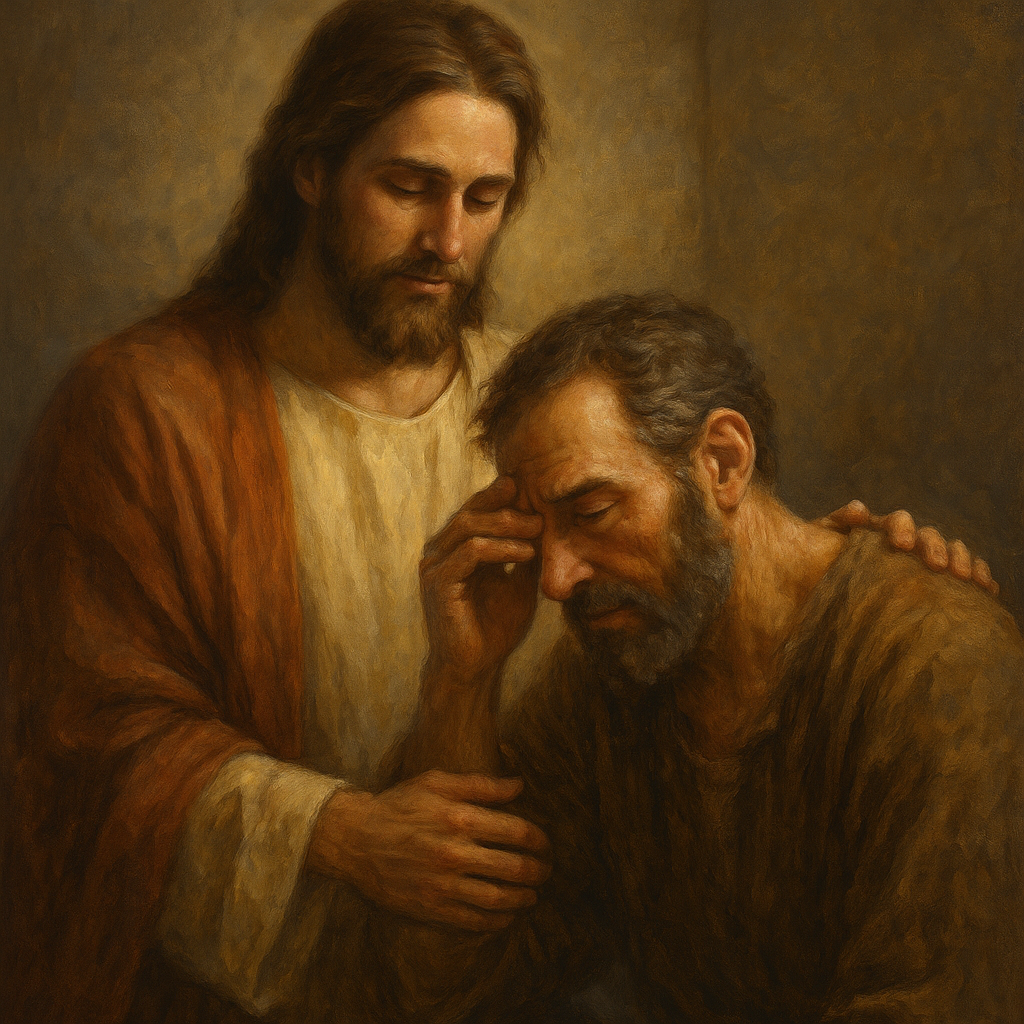
In 2 Corinthians 12, the Apostle Paul recounts a deeply personal moment in his ministry—his pleading with God to remove a tormenting “thorn in the flesh.” The nature of this affliction is left unnamed. Some believe it was a physical ailment, others think it was demonic opposition, or possibly ongoing persecution. But whatever it was, Paul asked three times for the Lord to take it away.
God’s response to Paul was not what he might have hoped for. Instead of removal, came reassurance: “My grace is sufficient for you, for my power is made perfect in weakness.” This single sentence is packed with profound spiritual truth. God was teaching Paul—and by extension, all believers—that His grace doesn’t just rescue us from hardship; it sustains us through it.
Grace is not merely divine leniency or favor—it is divine empowerment. It is God’s active presence enabling us to endure, trust, and glorify Him even when we are pressed on every side. When God said His power is made perfect in weakness, He did not imply that weakness is good in itself. Rather, He revealed that human limitations become the very stage upon which His strength is most clearly seen.
Paul’s response to this revelation is astonishing. Instead of protesting or continuing to plead, he embraced his weakness. He wrote, “Therefore I will boast all the more gladly about my weaknesses, so that Christ’s power may rest on me.” This was not passive acceptance, but joyful confidence that God’s strength would shine through his frailty.
In a culture that prizes independence, self-sufficiency, and success, Paul’s declaration runs counter to everything we’re taught to value. Yet this is the paradox of the kingdom of God. It is in surrender that we find victory. It is in yielding that we are strengthened. Christ does not merely work despite our weakness—He works through it. Our suffering becomes the vessel for His glory.
This doesn’t mean we shouldn’t pray for healing or deliverance. Paul did. But when the answer is not what we expect, we are invited into a deeper trust. We are called to rest in the sufficiency of His grace, knowing that in our most vulnerable moments, His power is working in ways we cannot yet see.
Christ Himself demonstrated this truth. On the cross, He appeared in complete weakness—bruised, mocked, and crucified. Yet it was there, in that hour of human frailty, that the power of God accomplished the greatest victory: the redemption of the world. Likewise, in our own weakness, the resurrection power of Christ continues to be revealed.
So when we are weary, when we feel inadequate, when life brings afflictions that linger longer than we would choose, we remember the words spoken to Paul. His grace is sufficient. His strength is not diminished by our struggle; it is magnified in it. And when we cling to that truth, we find rest—not in our ability, but in His unshakable presence.
Leave a Reply